Why Choose Injection Molding at the 139th Canton Fair?
The 139th Canton Fair presents a unique opportunity for businesses to explore the benefits of Injection Molding. This year, with its strong focus on advanced manufacturing and innovative technologies, the fair is set to showcase the latest advancements in the industry. Injection molding, a key method for producing high-quality plastic parts, is integral to numerous sectors, including electronics and home appliances.
As companies seek efficiency, Injection Molding stands out. The fair, from April 15 to May 5, 2026, will feature exhibitors who specialize in this technique. Attendees can connect with suppliers who possess certifications like ISO and CE. These qualifications ensure reliability and quality, which are crucial in today’s competitive market.
AI-driven features such as smart navigation will streamline the experience for buyers. This innovation allows them to quickly locate relevant suppliers within the sprawling exhibition space. However, challenges remain. Companies must continuously adapt their strategies to stay relevant. Injection Molding is not without its complexities, demanding careful consideration of design and materials. Engaging with experts and learning from others' experiences can pave the way for progress in this vital industry.
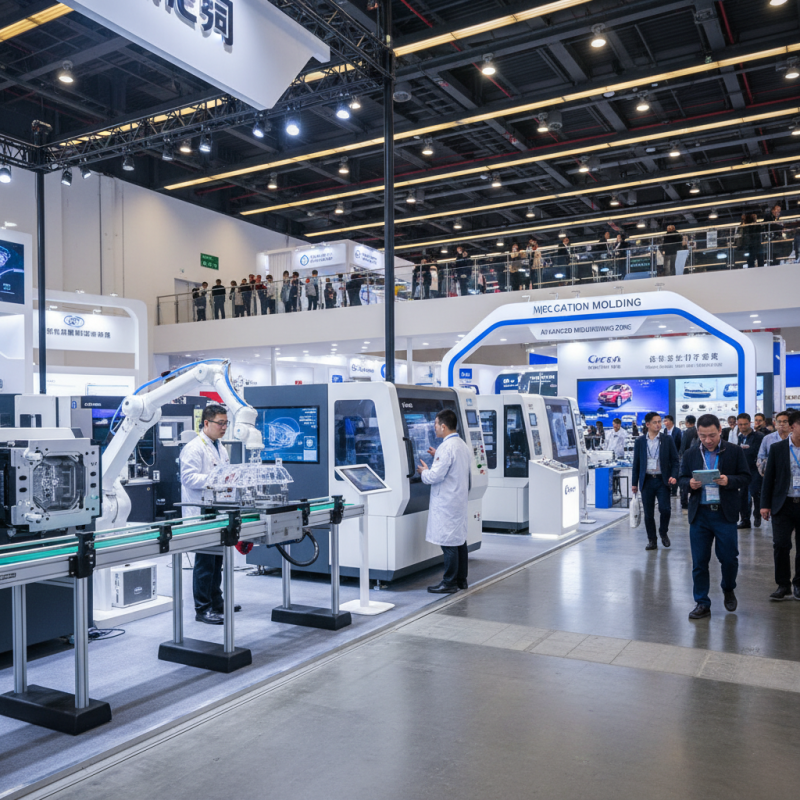
Overview of Injection Molding Technology and Its Applications
Injection molding is a prevalent manufacturing process in various industries. This technology allows for the creation of complex shapes while maintaining precision. It involves injecting molten material into a mold, where it cools and solidifies. This method is efficient and can produce high volumes of parts quickly.
The applications of injection molding are diverse. It's used in automotive parts, medical devices, and consumer products. Each application requires different materials, such as plastics or metals. The versatility of injection molding enables manufacturers to meet specific needs. However, the initial investment in mold design and creation can be significant. This aspect often requires careful financial consideration and planning.
In many cases, the process isn’t perfect. Variability in material flow or temperature can affect the final product quality. Manufacturers must constantly refine their techniques. It’s essential to stay updated on industry advancements and overcome challenges. With a commitment to improvement, injection molding remains a key player in modern manufacturing.
Why Choose Injection Molding at the 139th Canton Fair?
| Application | Material Used | Production Speed (units/hour) | Cost Efficiency (%) | Common Industries |
| Automotive Parts | Polypropylene (PP) | 2000 | 30% | Automotive |
| Consumer Goods | Acrylonitrile Butadiene Styrene (ABS) | 1500 | 25% | Consumer Electronics |
| Medical Devices | Polycarbonate (PC) | 1000 | 20% | Healthcare |
| Packaging | Polyethylene (PE) | 2500 | 35% | Food & Beverage |
| Electronics Housings | Polyamide (Nylon) | 1200 | 28% | Electronics |
Advantages of Injection Molding over Other Manufacturing Methods
Injection molding is becoming increasingly popular among manufacturers, especially at events like the Canton Fair. This method offers unique advantages over traditional manufacturing techniques. It allows for high-volume production with consistent quality. The ability to create complex shapes is a significant benefit. Additionally, injection molding reduces waste during the manufacturing process, which is crucial for environmentally conscious companies.
One important detail to consider is the initial setup cost. It can be high due to mold creation. However, once established, the production cost per unit drops significantly. This method is also flexible. It accommodates various materials, from plastics to metals. But not every product can benefit equally from injection molding. Some intricate designs might face challenges during the molding process. These factors must be analyzed carefully.
Moreover, the speed of production is impressive. Mass quantities can be produced within a short time frame. Yet, quality control is vital. Small defects can lead to larger issues down the line. It’s essential to reflect on the balance between speed and quality. Proper planning and evaluation can leverage the advantages of injection molding effectively.
Key Factors for Selecting Injection Molding at Trade Shows
Injection molding is an increasingly popular choice for manufacturers at trade shows like the 139th Canton Fair. This preference comes from its efficiency and versatility in producing complex parts. According to a recent report by the Plastics Industry Association, over 80% of plastic parts are molded through this method. The technology can create intricate designs that often require less material and energy. This is crucial in a world where sustainability and cost-effectiveness drive decision-making.
However, not all applications are best suited for injection molding. Some designs can be over-engineered, leading to increased costs. For example, complex multi-cavity molds can be expensive to produce, and their benefits may not outweigh the initial investment. Additionally, the time spent on mold design and production can be significant. Some manufacturers have reported delays in their time-to-market due to these challenges.
Despite these concerns, the ability to produce high-quality parts at scale is alluring. The injection molding market is expected to grow significantly, reaching USD 334 billion by 2027. Trade shows are an excellent venue to evaluate technology and connect with suppliers. However, businesses must reflect on their specific needs and capabilities before making a commitment to injection molding solutions.
Why Choose Injection Molding at the 139th Canton Fair?
Understanding the Market Trends for Injection Molding Products
The market trends for injection molding products are evolving rapidly. According to a recent market report, the global injection molding market is projected to reach approximately $400 billion by 2027, growing at a compound annual growth rate of around 5%. This growth signals an increasing demand for efficient manufacturing processes and versatile product designs. In various sectors like automotive, consumer goods, and packaging, companies aim to enhance production efficiency.
Amid these trends, sustainability plays a crucial role. Many manufacturers are adopting eco-friendly materials. Reducing waste and energy consumption is now a priority. However, some businesses struggle to implement these changes effectively. This gap highlights a need for innovation in sustainable practices.
Tips: Invest in training staff about sustainable materials. Small changes can lead to major improvements. Monitor your supply chain for eco-friendly options.
Quality control remains critical in the injection molding industry. It's not just about producing parts but producing them consistently. Some companies face challenges with defects and variations. This can undermine customer trust. Regular audits and process optimization can help mitigate these issues.
Networking Opportunities at the 139th Canton Fair for Industry Professionals
The 139th Canton Fair presents a unique platform for industry professionals engaged in injection molding. Networking opportunities abound, providing a chance to connect with peers and suppliers. According to a recent report by the Plastics Industry Association, injection molding accounts for over 30% of total plastic production in 2022. This growing trend makes the fair especially relevant.
During the fair, attendees can engage in discussions and knowledge-sharing sessions. The International Trade Administration has noted that establishing connections can lead to increased business opportunities. Professionals can explore innovations in materials and technologies with experts. Yet, insights reveal that many miss the chance to network effectively. Time management and effective communication are vital.
As experts gather, the potential for collaboration becomes clear. Recent surveys indicate that 70% of professionals believe face-to-face interactions yield better results. However, some may rely too heavily on online connections. It's essential to balance digital strategies and in-person engagement for optimal results. With robust networking, the fair can unleash new possibilities in injection molding.