
Blog

How to Choose the Best Pet Packaging for Your Products?

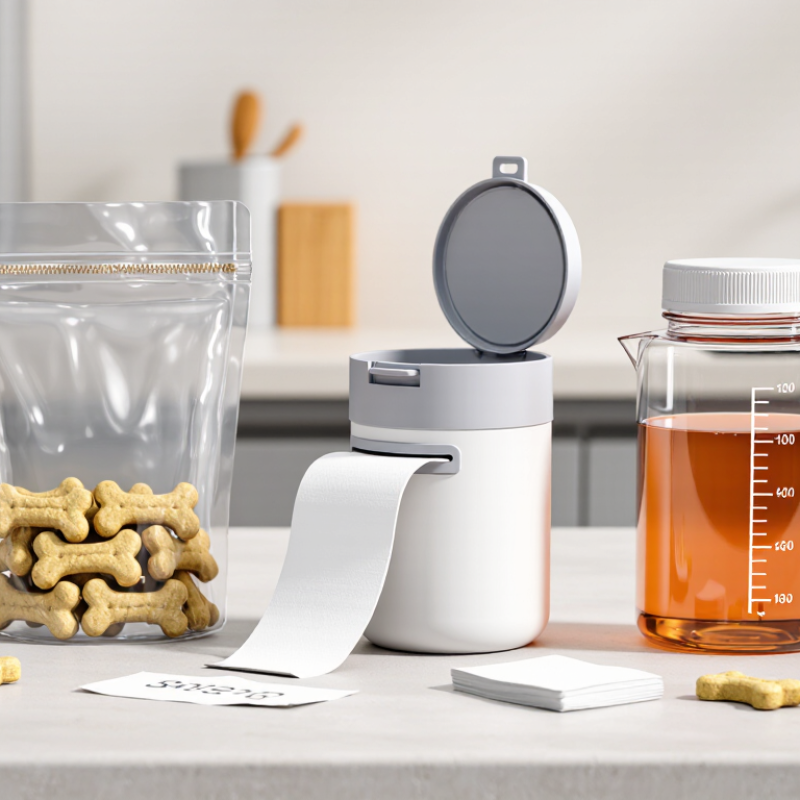
Choosing the right Pet Packaging starts with the product itself, not a fashionable material or an attractive shelf display. A dry treat, grooming wipe, and liquid supplement each need different protection and dispensing features. Consider the product’s weight, texture, moisture sensitivity, and expected use. A resealable pouch may keep treats accessible, while a sturdy bottle can make measured dispensing easier. Small details matter. A zipper that catches, a cap that leaks, or a label that scuffs during shipping can weaken a customer’s confidence.

Good packaging balances protection, convenience, appearance, and cost. Compare formats using real product samples, then check seals, closures, and labels after handling and transport simulations. Ask suppliers for clear material specifications and performance information, rather than relying only on appearance. Also consider storage space, packing-line compatibility, and whether customers can open and dispose of the package easily. Recyclability claims should be checked against available local collection options; a material is not automatically recyclable everywhere. There is no perfect format. A lighter pack may reduce shipping weight but offer less structure, and a premium finish may add expense without improving use. These trade-offs deserve honest review. This guide outlines practical criteria for comparing options and selecting Pet Packaging that fits your product, operations, and customers.
How to Choose the Best Pet Packaging for Your Products?

Understanding PET Packaging and Its Role in Product Protection

PET (polyethylene terephthalate) packaging is clear, lightweight, and commonly used for beverages, food, and personal-care products. Its strength helps containers withstand routine filling, transport, and handling. It also lets customers inspect the contents without opening the package. That visibility can be useful, but it may expose light-sensitive products to more light.

PET can slow the movement of moisture and gases, helping protect product quality. It is not a perfect barrier. Performance varies with the container’s shape, wall thickness, closure, and storage conditions. A thin bottle and a thicker jar may behave differently, even when both use PET. The choice is not always obvious.

Protection depends on the whole package, not just its material. A poorly fitted cap can allow leaks, while a sharp edge or repeated squeezing may weaken a container. Check the fit, seams, and resistance to drops using samples filled with the actual product. Test them after exposure to expected temperatures and handling. For example, a bottle that looks sturdy on a worktable might deform in a warm delivery vehicle. Clear walls can also make scratches or surface wear more noticeable. These details are easy to miss when judging packaging by appearance alone.
Identifying Your Product’s Packaging Requirements

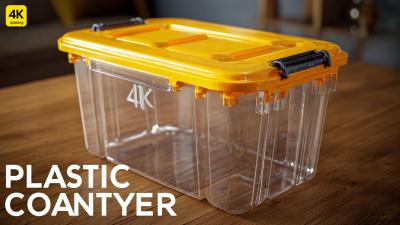
Choosing PET packaging starts with the product, not the bottle shape. Record its viscosity, acidity, oil content, and sensitivity to oxygen, moisture, or light. A thin liquid may need a narrow-neck bottle to control pouring; a thick gel may need a wider opening. Check the closure, too. A cap that leaks after repeated opening can ruin an otherwise suitable pack.

Define the real distribution conditions. Will bottles sit in a hot delivery van, face long warehouse storage, or travel in cartons that may be dropped? Test filled samples for leakage, paneling, and label adhesion under those conditions. For products requiring extended shelf life, ask suppliers for barrier data and verify it against your own product tests. Do not assume clear PET provides enough light protection. It may not.

Recycling matters. NAPCOR’s 2023 PET Recycling Report placed the U.S. PET bottle recycling rate at 33%. That figure makes pack design worth reviewing: avoid unnecessary components and confirm that the bottle, label, and closure work together in local sorting systems. A lighter bottle can reduce material use, but only if it still survives handling. I would test both. Keep the results, including failures, before approving a final specification.

Comparing PET Packaging Formats, Sizes, and Design Features

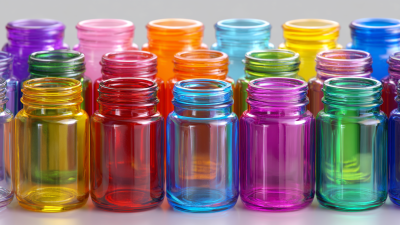
PET packaging spans clear bottles, wide-mouth jars, thermoformed trays, and hinged clamshells. Each format solves a different handling problem. Bottles suit liquids and pourable products; jars offer easier access for scooping. Trays keep portions visible, while clamshells can protect delicate items during transport. Size matters, too. A tall, narrow bottle saves shelf width, but may tip more easily than a squat container. Test the filled pack in the actual display, not only on a computer screen.

Compare the full package, including closure, wall thickness, and label area. A ribbed grip can help shoppers hold a bottle, while a wide opening may improve access but need a larger closure. NAPCOR’s 2023 PET Recycling Report estimated a 33% U.S. recycling rate for PET bottles. That figure applies to bottles, not every PET tray or clamshell, so do not assume all formats have identical recycling pathways. A lighter package can reduce material use, yet still feel flimsy in hand. That trade-off deserves a real handling test.

Tips: Fill samples with the actual product. Check leaks, stacking, grip, and shelf visibility. Then ask a few users to open them. Their feedback may challenge your first choice.

Assessing Safety, Sustainability, and Production Costs

Choosing PET packaging starts with product risk, not shelf appearance. For liquids, check wall strength, closure fit, and leakage after drops and temperature changes. For oils, acids, or sensitive formulas, request compatibility data and food-contact documentation suited to the intended use. A sample that looks sound can still warp in storage. Test it.

Sustainability needs practical scrutiny. Lightweight PET can reduce material use and shipping weight, but a thinner bottle may dent, leak, or increase rejects. Recycled PET can reduce reliance on virgin resin, yet availability, color, and performance vary by grade and supplier. Check whether labels, sleeves, caps, and pigments fit local recycling systems. The whole pack matters. Not just the bottle.

Production cost is more than resin price. Compare tooling, order minimums, line speed, changeover time, freight, and damage rates. A custom shape may attract attention but require new molds and slower handling. Ask suppliers for specifications, test reports, and production samples, then trial them on your own filling line. Track breakage and scrap. One caveat: low-cost packaging can become expensive after avoidable stoppages. I would not treat one score as decisive; the trade-offs are messier than a spreadsheet suggests.

How to Choose the Best Pet Packaging for Your Products? - Assessing Safety, Sustainability, and Production Costs

PET Packaging Option Typical Uses Safety and Product Protection Sustainability Considerations Relative Production Cost Best Fit / Key Limitation
Clear, single-layer PET bottle Water, soft drinks, edible oils, and personal-care liquids Lightweight and shatter-resistant. PET provides a useful barrier to moisture and gases, but is not a complete barrier to oxygen or carbon dioxide; shelf life depends on product, wall thickness, closure, and storage conditions. Clear, single-material bottles are generally compatible with PET bottle recycling systems where collection and processing are available. Caps and labels should be selected to work with local sorting and recycling practices. Often low to moderate for established, high-volume production; tooling, bottle weight, order volume, and line setup affect the actual cost. A practical general-purpose choice when product visibility and lightweight packaging matter. Standard PET bottles are not suitable for hot filling unless specifically engineered for it.
Heat-set PET bottle Certain hot-filled beverages, sauces, and other products requiring a hot-fill process Designed to withstand higher filling temperatures than standard PET bottles. Permitted fill temperature and performance depend on the bottle design and supplier specifications; testing under actual filling and storage conditions is important. PET material can be recyclable, but heat-set bottle designs, labels, closures, and local recycling infrastructure affect whether the package is accepted and processed. Typically moderate to high relative to a standard PET bottle because the bottle and process may require specialized design or equipment. Consider when hot filling is required and a compatible PET design is available. Confirm filling-temperature limits with the packaging supplier.
PET jar or wide-mouth container Nut butters, dry foods, powders, cosmetics, and household products Allows easy access and can provide a secure closure when paired with a compatible lid and seal. Protection from oxygen, light, and moisture varies with the container design and closure. A single-material PET jar may be recyclable in some systems, but acceptance of jars and the lid or label materials varies by location. Often moderate; opening size, wall thickness, container shape, and closure choice influence material use and tooling costs. Useful when consumers need a wide opening or product visibility. Check that the closure and any inner seal meet the product’s protection requirements.
Bottle containing recycled PET (rPET) Beverages, personal care, and other applications where the package specification allows recycled content Performance depends on the recycled resin grade and the finished package. For food-contact use, recycled material must meet applicable regulatory requirements for the intended use and jurisdiction. Uses recycled PET feedstock and can support material circularity. Benefits depend on recycled-content percentage, sourcing, manufacturing, and whether the package is collected and recycled after use. Variable; recycled resin availability, quality, certification, color requirements, and contract volume can affect the price. Consider when recycled content is a priority and the required grade is available. Verify supply consistency, color, performance, and food-contact status where relevant.
Barrier-enhanced or multilayer PET package Products needing additional protection from oxygen, carbon dioxide, or other environmental factors Additional barrier layers or coatings can improve package protection, but suitability must be established for the specific product, shelf life, and processing conditions. Non-PET layers or coatings can make recycling more difficult or limit acceptance in some systems. Check compatibility with local recycling design guidance before selecting a structure. Often moderate to high compared with a simple PET package because of additional materials, specialized processing, or testing. Use when a standard PET structure does not meet verified shelf-life needs. Balance added protection against material complexity and recycling options.

Note: Cost ratings are qualitative comparisons, not quoted prices. Actual costs depend on package design, resin and recycled-resin markets, order volume, tooling, filling-line requirements, and regional supply. For products regulated as food or cosmetics, confirm that the complete package is suitable for the intended use and complies with applicable local requirements.

Selecting and Testing the Right PET Packaging Solution

Choosing PET packaging starts with the product, not the bottle shape. Check how the product reacts to light, oxygen, moisture, and contact with the container. A clear bottle may show off a colorful drink, while a tinted or opaque option can offer more protection. Match the neck and closure to how customers pour, squeeze, or dispense the product. Small details matter. A cap that feels secure in a sample room may leak after a rough delivery.

Tips: Fill test containers with the real product. Check for changes in color, odor, taste, or texture over time. Also test the seal after repeated opening.

Run trials on the equipment and at the filling conditions you plan to use. Inspect bottles for distortion, leaks, and uneven walls, then try simple drop and vibration tests with filled packages. Record what happens, including failures; they often reveal more than a smooth first run. PET can be lightweight, but reducing material too aggressively may affect stiffness or handling. I have seen teams focus on appearance and overlook grip when hands are wet. It is an easy miss. Compare several samples before committing, and revisit the choice if storage or shipping conditions change.

How to Choose the Best PET Packaging for Your Products? — Selecting and Testing the Right PET Packaging Solution

U.S. PET Bottle Recycling Rate, 2019–2023

The recycling rate offers useful sustainability context when selecting PET packaging, but it does not guarantee that a specific package is recyclable in every location. Test each packaging solution for product compatibility, seal integrity, and required barrier performance.

Source: NAPCOR, U.S. PET Bottle Recycling Report (2019–2023).

wpChatIcon
wpChatIcon