10 Essential Tips for Choosing the Perfect Plastic Jug for Your Needs
When it comes to selecting the ideal container for storage, transport, or dispensing, a plastic jug often emerges as a practical choice for many applications. The versatility, durability, and lightweight nature of plastic jugs make them indispensable in various settings, from home kitchens to industrial warehouses. However, with a plethora of options available, finding the perfect plastic jug tailored to your specific needs can be a daunting task.
To simplify the selection process, it is essential to consider a few key factors, including size, material, lid type, and intended use. Whether you require a jug for liquid storage, food preservation, or even chemical transport, understanding these elements can help you make an informed decision. By following these ten essential tips, you'll not only enhance your experience in choosing the right plastic jug but also ensure that it meets all safety and functional requirements. Embrace the journey of finding your ideal plastic jug, and unlock the potential for efficiency and convenience in your daily tasks.
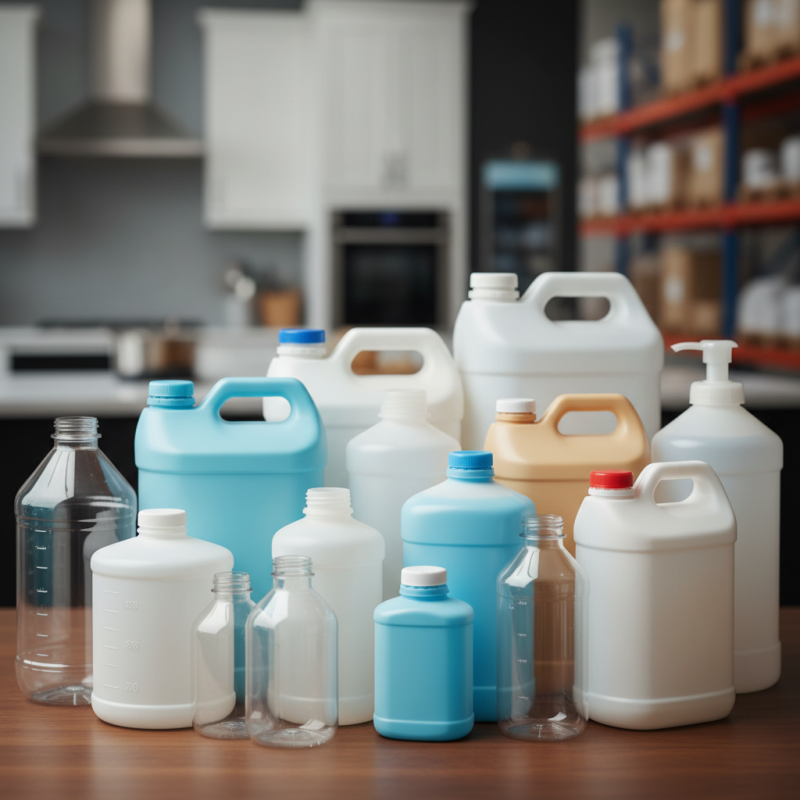
Understanding Different Types of Plastic Jugs: A Comprehensive Guide
When it comes to selecting the right plastic jug for your specific needs, it’s crucial to understand the various types available. Plastic jugs can be categorized based on their material, capacity, and intended use. The most common types include high-density polyethylene (HDPE), low-density polyethylene (LDPE), and polypropylene, each offering distinct advantages. HDPE is known for its durability and resistance to chemicals, making it an ideal choice for storing cleaning products or industrial substances. In contrast, LDPE is more flexible and often used for lighter, less corrosive liquids.
Additionally, the capacity of plastic jugs varies widely, from small gallon-sized containers to larger bulk options. When deciding on capacity, it's important to consider both the volume of liquid you need to store and the space available for storage. Some jugs come with ergonomic designs or handles that enhance usability, especially in heavy-duty applications. Understanding the purpose behind your selection will enable you to choose a jug that not only meets your volume requirements but also provides the right level of durability and convenience for your specific tasks.
10 Essential Tips for Choosing the Perfect Plastic Jug for Your Needs
| Dimension |
Material Type |
Capacity (Liters) |
Weight (grams) |
Closure Type |
Best Used For |
| Standard |
HDPE |
5 |
200 |
Screw Cap |
Beverages |
| Tall |
PET |
3 |
150 |
Flip Top |
Sauces |
| Wide Mouth |
PP |
10 |
300 |
Sealed Lid |
Chemical Storage |
| Compact |
LDPE |
2 |
100 |
Twist Cap |
Personal Care Products |
Evaluating Material Properties: HDPE vs. LDPE in Jug Manufacturing
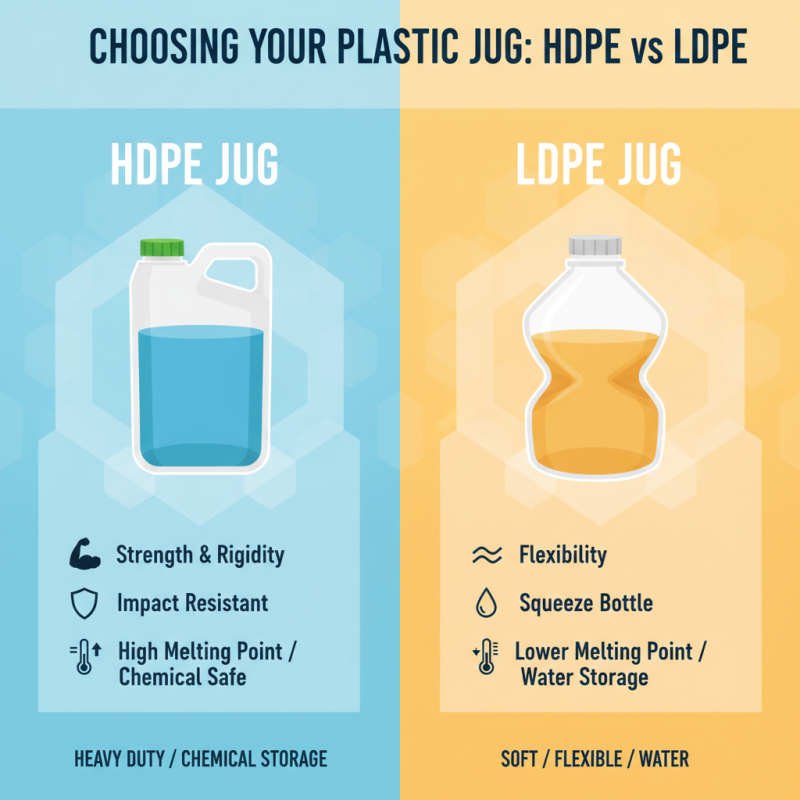
When it comes to choosing the perfect plastic jug, understanding the material properties of HDPE (High-Density Polyethylene) and LDPE (Low-Density Polyethylene) is crucial. Both materials have distinct characteristics that can significantly influence the jug's performance based on your needs. HDPE is known for its strength, rigidity, and resistance to impact, making it an ideal choice for heavy-duty applications. Additionally, it has a higher melting point, contributing to its durability in high-temperature environments. This makes HDPE jugs suitable for storing a wide range of substances, including those that require safe handling due to their chemical properties.
On the other hand, LDPE offers flexibility and a lower density, which can be advantageous in situations requiring lightweight and easily squeezable containers. Its softer nature allows for easier dispensing of liquids, which is particularly beneficial for applications in the food and beverage industry. While LDPE provides excellent resistance to chemicals, it is not as strong or rigid as HDPE, which may limit its usage in high-pressure or heavy load scenarios. Therefore, evaluating these material properties based on intended use will ensure that the chosen jug aligns perfectly with your operational requirements.
Assessing Capacity Requirements: Choosing the Right Size for Your Needs
When selecting the appropriate plastic jug for your needs, assessing the capacity requirements is crucial. The size of the jug will directly impact its functionality. For example, if you're looking to store liquids for a family gathering or a larger event, a jug with a capacity of several liters may be necessary. Conversely, if your needs are more modest, such as for daily meal prep or personal hydration, smaller options ranging from 500ml to 1 liter might suffice. Understanding the volume of liquid you intend to store or transport will help you avoid both overcrowding and wastage.
In addition to capacity, consider the shape and design of the jug, as these factors can influence usability. A wider mouth may be beneficial for filling and cleaning, while a narrower neck might help with pouring. Think about how you plan to use the jug—whether it’s for personal use, outdoor activities, or catering—and choose a size that complements those activities. By carefully evaluating your capacity requirements and the jug's design, you can ensure that your choice is both practical and efficient, fulfilling your specific requirements without unnecessary excess.
10 Essential Tips for Choosing the Perfect Plastic Jug for Your Needs
This bar chart illustrates the varying capacity requirements for different sizes of plastic jugs. Selecting the right size jug is essential for proper use based on your specific needs.
Identifying Safety Standards: Compliance with FDA Regulations for Food Use
When selecting a plastic jug for food-related purposes, one of the most critical factors to consider is its compliance with safety standards, particularly those set by the FDA. The FDA (Food and Drug Administration) regulates materials that come into contact with food, ensuring that they are safe for consumption and do not leach harmful substances. It is essential to look for jugs that explicitly state they meet FDA regulations for food use. This compliance not only guarantees the safety of the contents but also provides peace of mind for consumers who prioritize health and safety in their food storage.
In addition to FDA compliance, one should also examine the specific materials used in the plastic jug. Common food-safe plastics include polyethylene (PE) and polypropylene (PP). These materials are known for their durability and safety, making them ideal choices for food storage. Furthermore, it’s crucial to consider the jug’s condition. Even if a jug is FDA compliant, any cracks, discoloration, or wear and tear can compromise its safety and usability. Ensuring that the jug is clean and intact will further enhance the safety of food storage and minimize any potential risks associated with contamination.
Analyzing Environmental Impact: The Importance of Recyclability in Plastic Jugs
When selecting a plastic jug, one of the most crucial factors to consider is its environmental impact, particularly its recyclability. With the growing concern over plastic waste, choosing jugs made from recyclable materials can significantly reduce one’s ecological footprint. It is essential to understand the recycling symbols and types of plastics commonly used in jugs, as some materials are more readily recycled than others. Opting for jugs marked with a recycling symbol indicates a higher likelihood of being processed effectively at recycling facilities, thus contributing to a circular economy.
Moreover, the production process of plastic jugs can also influence their overall sustainability. Many manufacturers are now focusing on using post-consumer recycled content, which not only reduces the demand for virgin plastic but also diverts waste from landfills. This practice not only minimizes resource extraction but also encourages a culture of recycling among consumers. When choosing a plastic jug, looking for those that advocate for responsible end-of-life management and support recycling initiatives can make a difference. Ultimately, by prioritizing recyclability in plastic jug selection, consumers can play an active role in promoting environmental stewardship and reducing plastic pollution.