Revolutionizing Sustainability: Innovative Packaging Solutions for a Greener Future
In the quest for a greener future, the role of innovative packaging solutions has taken center stage, transforming traditional practices into sustainable strategies that significantly reduce environmental impact. A recent report by Smithers Pira indicates that the global sustainable packaging market is set to reach $1 trillion by 2027, driven by consumer demand for eco-friendly alternatives and stricter regulations on plastic usage. The shift towards biodegradable, recyclable, and minimalistic packaging designs not only addresses the growing crisis of plastic waste, which currently contributes to 13 million tons of ocean pollution annually according to the United Nations, but also enhances brand loyalty among environmentally-conscious consumers. As companies increasingly recognize the importance of sustainability in their supply chains, the development of packaging solutions that minimize carbon footprints and waste is vital for achieving long-term ecological balance and ensuring the health of our planet for future generations.

Innovative Materials Redefining the Packaging Industry for Sustainability
The packaging industry is undergoing a transformative shift aimed at enhancing sustainability through innovative materials. According to a report by Smithers Pira, the global sustainable packaging market is set to reach $500 billion by 2027, growing at a CAGR of 5.1%. This growth is largely driven by consumer demand for eco-friendly solutions and stricter regulations on plastic use. Companies are now exploring bio-based plastics, recycled materials, and compostable options, redefining what sustainable packaging can be.

Biodegradable materials such as polylactic acid (PLA) and paper-based solutions are gaining traction as alternatives to traditional plastics. A study by the Ellen MacArthur Foundation highlights that transitioning to sustainable packaging could reduce greenhouse gas emissions by 1.1 gigatons annually by 2030. Furthermore, innovations in plant-based materials, like mycelium packaging and alginate films, offer promising avenues for reducing the environmental impact of packaging. These developments not only address ecological concerns but also resonate with consumers who increasingly prioritize brands that demonstrate a commitment to sustainability.
Smart Packaging Technologies Enhancing Environmental Responsibility
The push for sustainability in packaging has given rise to innovative smart packaging technologies that greatly enhance environmental responsibility. According to a report by Allied Market Research, the global smart packaging market is projected to reach $31.4 billion by 2026, reflecting a compound annual growth rate (CAGR) of 5.2% from 2019. These technologies not only improve product shelf-life and reduce waste but also facilitate recycling processes, making them crucial in the fight against environmental degradation. For instance, solutions such as QR codes on packaging allow consumers to access recycling guidelines, ensuring proper disposal and resource recovery.
Tips: When choosing packaging solutions, prioritize materials that offer easy recyclability and incorporate smart technologies. Educating yourself and your customers about the environmental impact of packaging decisions can drive positive change within your supply chain. Additionally, consider utilizing packaging that incorporates sensors to monitor freshness, which not only reduces spoilage but also minimizes the carbon footprint associated with food waste.
Moreover, companies like Tetra Pak have pioneered advancements in eco-friendly materials, reducing the carbon footprint of their packaging by using 70% renewable materials in their cartons. This trend demonstrates how investing in smart packaging technologies can yield significant environmental benefits, paving the way for a greener future.
Consumer Awareness: The Role of Education in Sustainable Packaging Choices
Consumer awareness plays a pivotal role in driving the shift towards sustainable packaging solutions. Recent trends show that consumers are increasingly concerned about the environmental impact of packaging, particularly regarding single-use plastics. As a result, the sustainable packaging sector is gaining traction, reflecting a broader societal shift towards eco-responsibility. Educational initiatives aimed at raising awareness about sustainable packaging choices can empower consumers to make informed decisions, leading them to favor products with minimal environmental footprints.
Furthermore, the floriculture industry exemplifies the pressing need for consumer education on sustainable practices. With the global flower market grappling with environmental challenges, enhancing consumer knowledge about sustainable packaging can not only influence purchasing behavior but also encourage brands to adopt greener alternatives. As evidenced by various studies, including those highlighting food systems and microplastic concerns, awareness and understanding can significantly impact consumer choices, driving demand for innovative, reusable, and eco-friendly packaging solutions. The time has come for brands to prioritize education, engaging consumers in the dialogue about sustainability and fostering a more responsible consumption culture.
Consumer Awareness in Sustainable Packaging Choices
This bar chart illustrates the consumer preferences for different types of sustainable packaging solutions. It showcases the importance of educating consumers about their choices and how they contribute to a greener future.
Circular Economy Principles Applied to Modern Packaging Solutions
As the world increasingly recognizes the importance of sustainability, the application of circular economy principles in modern packaging solutions is becoming essential. A circular economy emphasizes the reuse, recycling, and regeneration of materials, which contrasts sharply with the traditional linear model of take-make-dispose. By designing packaging that is not just single-use but rather meant to be repaired, reused, or recycled, companies can significantly reduce waste and environmental impact. Innovative materials, such as biodegradable films and refillable containers, are at the forefront of this shift, demonstrating that sustainability and functionality can go hand in hand.
Tips for adopting circular economy principles in packaging include assessing the lifecycle of materials used and prioritizing those that can be easily recycled or composted. Additionally, consider implementing a take-back program that encourages consumers to return used packaging for reuse or recycling. Another effective strategy is to collaborate with other businesses to create shared supply chains, minimizing resource inputs and maximizing output efficiency. These actions not only contribute to environmental sustainability but also foster customer loyalty as consumers increasingly seek brands committed to ethical practices.
Trends in Biodegradable and Compostable Packaging for Eco-Friendly Products
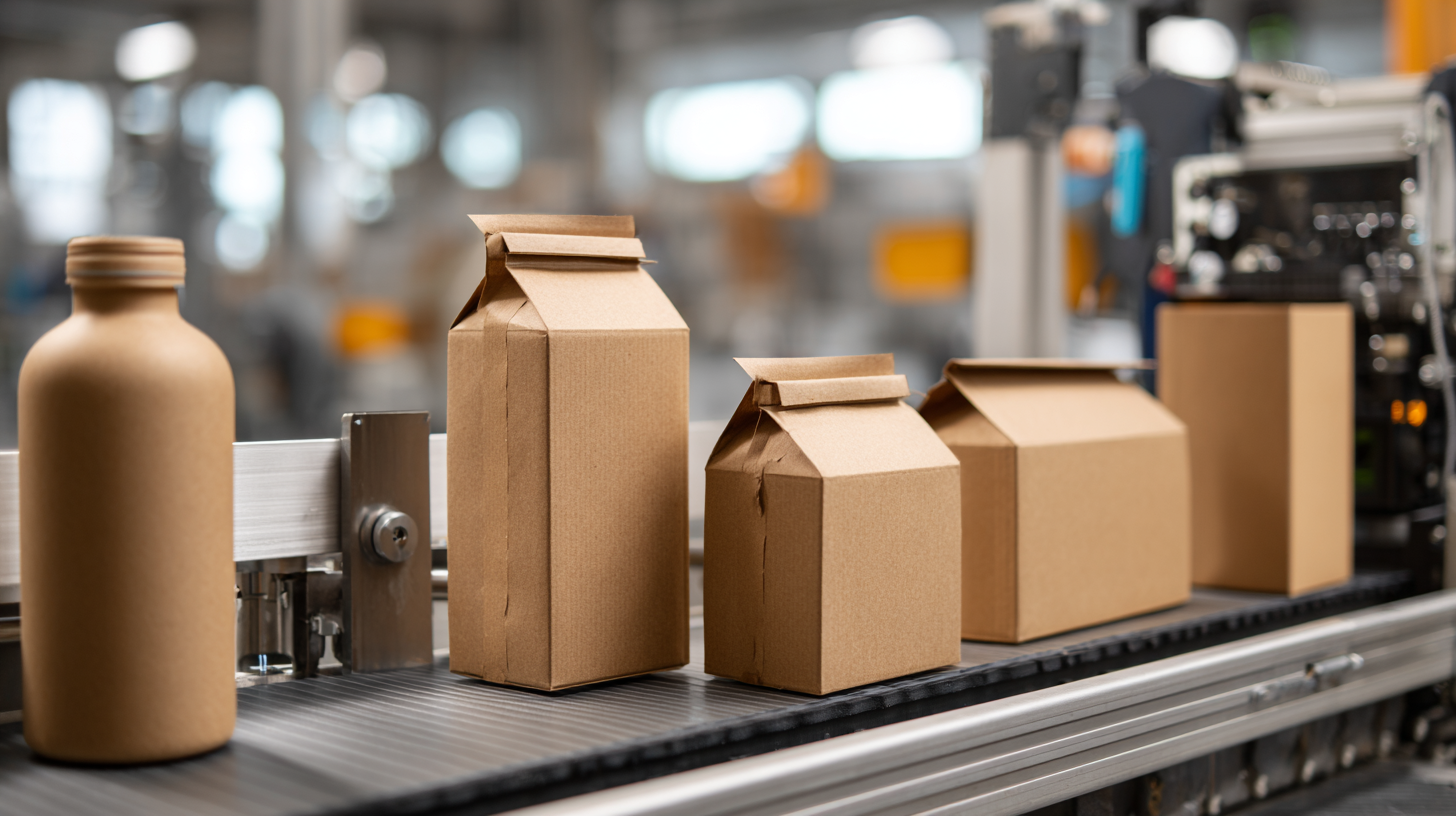 The demand for eco-friendly products has driven a remarkable shift towards biodegradable and compostable packaging solutions. Brands are increasingly recognizing that their packaging choices are pivotal in reducing environmental impact. Biodegradable materials break down naturally over time, while compostable options can transform into nutrient-rich soil when disposed of correctly. These alternatives are not only better for the planet but also resonate well with consumers who prioritize sustainability in their purchasing decisions.
Tips for incorporating biodegradable packaging into your product line include researching available materials that comply with biodegradability certifications. Look for suppliers who specialize in sustainable options, as they'll provide insights into the best practices for adaptation. Additionally, educating your consumers on the proper disposal methods ensures they can participate in the sustainability journey effectively.
Moreover, consider integrating innovative design strategies that minimize material use without compromising functionality. Adopting minimalist packaging can decrease waste and highlight your brand's commitment to sustainability. By aligning your packaging practices with eco-friendly trends, you can contribute to a greener future while enhancing your brand's image in a competitive marketplace.