
Blog

Top 10 Bottle Packaging Manufacturers Worldwide

The global bottle market is changing quickly. Brands now expect protection, shelf appeal, traceability, and lower environmental impact from one container. This introduction presents ten influential Bottle Packaging manufacturers worldwide, selected for practical industry relevance rather than fame alone.

The comparison considers production scale, material expertise, design capability, quality systems, filling compatibility, and regional reach. It also examines glass, PET, recycled plastics, aluminum, and emerging lightweight formats. Details matter. A cap that leaks, a shoulder that cracks, or a label that wrinkles can damage an otherwise strong product. Manufacturers must therefore balance engineering precision with attractive design and efficient logistics.

Luciana Pellegrino, a recognized packaging-industry leader, describes packaging as a brand’s “silent ambassador.” Her observation remains useful here. A bottle communicates through weight, texture, closure, transparency, and sound before customers read the label. The companies discussed in this article show different approaches to that communication. Some lead through advanced glassmaking. Others focus on recycled resin, high-speed production, or specialized closures.

No ranking is flawless. Market data changes, and regional strengths can be difficult to compare fairly. A large supplier may not suit a small premium brand. A sustainable claim may also depend on local recycling infrastructure. That limitation matters. Readers should treat this list as a practical starting point, then verify certifications, material sources, capacity, and delivery performance before making a commercial decision.
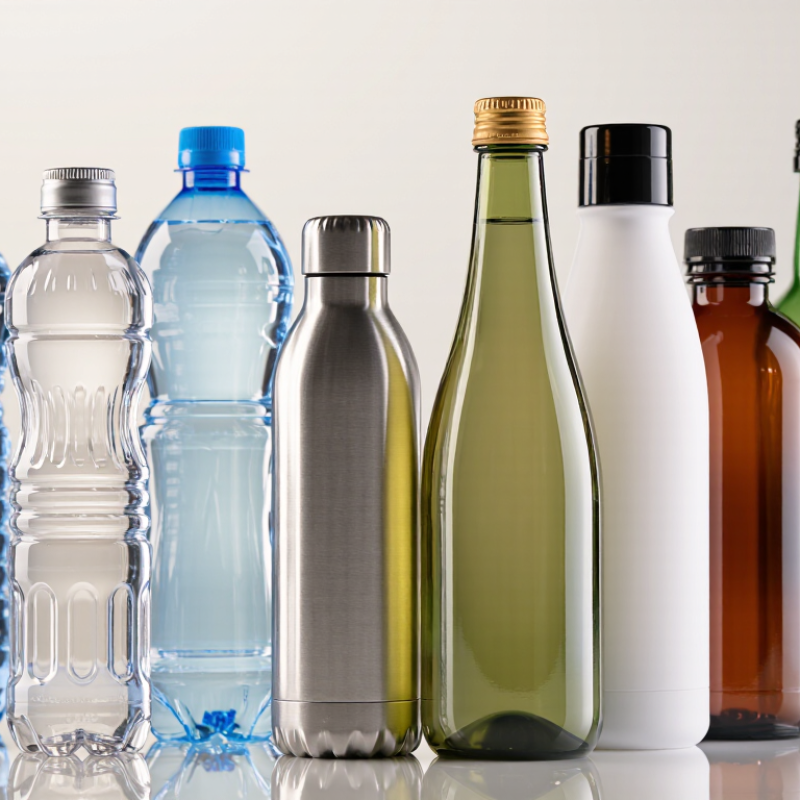
Top 10 Bottle Packaging Manufacturers Worldwide

Global Bottle Packaging Manufacturers: Scope and Evaluation Criteria

Evaluating the top 10 bottle packaging manufacturers worldwide requires more than comparing production volume. The scope should include glass, plastic, aluminum, and recycled-content bottles. It should cover design, tooling, molding, decoration, filling compatibility, and distribution support. A reliable review also examines facilities across regions, not just headquarters.

Technical capability deserves close attention. Reviewers should check dimensional accuracy, wall-thickness control, closure fit, drop resistance, and barrier performance. Production records can reveal whether quality remains stable during large orders. Independent testing adds credibility. So does a clear traceability system. Ask how batches are identified, inspected, and released.

Sustainability criteria need practical evidence. Measure recycled content, energy use, water management, lightweighting results, and recovery options. Avoid accepting broad environmental claims without supporting data. Supplier evaluations should also consider worker safety, ethical sourcing, delivery consistency, and technical service after purchase. Customer references can expose delays that brochures rarely mention. Cost matters, but the lowest quotation may create higher waste or replacement expenses. No scorecard is flawless. Regional standards, transport distances, and changing material prices can distort comparisons. A transparent method should disclose these limits and explain how each manufacturer was scored.
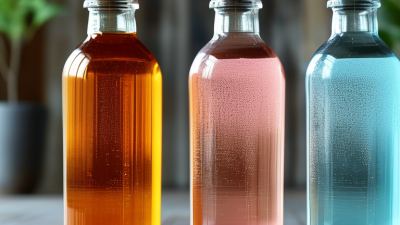
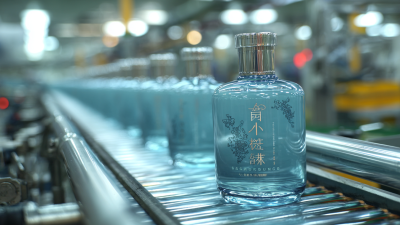
Top 10 Bottle Packaging Manufacturers Worldwide

Global Bottle Packaging Manufacturers: Scope and Evaluation Criteria

This 100-point evaluation framework focuses on measurable factors commonly used in global packaging procurement: manufacturing scale, geographic reach, material and format capabilities, quality systems, sustainability performance, innovation, supply reliability, customization, regulatory compliance, and total cost competitiveness. The weighting is designed for comparative industry research and does not represent the performance of any individual company or brand.

Bottle Materials, Formats, and Manufacturing Technologies

Bottle packaging selection starts with material, not machinery. Glass provides strong barrier performance and premium weight, but melting demands substantial energy. PET offers clarity, low transport weight, and stretch-blow molding. HDPE tolerates squeezing and opaque designs. According to the OECD’s Global Plastics Outlook (2022), only 9% of plastic waste was recycled globally in 2019. That figure makes recycled resin strategy operational, not decorative. Recycled content can affect color, odor, and consistency. It needs testing.

Formats change the engineering equation. Narrow-neck bottles reduce material use, while wide-mouth packs improve filling and cleaning access. Lightweight preforms lower resin consumption before injection stretch blow molding. Extrusion blow molding suits thicker, squeezable containers. Glass producers still rely on forming lines, annealing, and inspection cameras. Smithers’ The Future of Global Packaging to 2028 identifies lightweighting and recyclability as major development priorities. Yet lightweighting can reduce top-load strength. A thinner wall is not automatically better.

Manufacturers increasingly combine barrier layers, oxygen scavengers, tethered closures, and digital inspection. These technologies protect sensitive liquids, but they can complicate recycling streams. Life-cycle assessment should compare material, transport, filling, and end-of-life performance. Grand View Research projects continued growth in the global plastic bottles market through 2030. Forecasts are useful, not infallible. Regional collection systems often decide whether a technically recyclable bottle is actually recycled. Procurement teams should request resin traceability, migration testing, closure compatibility, and line-speed data. Small details matter.

Top 10 Bottle Packaging Manufacturers and Their Core Capabilities

Top 10 Bottle Packaging Manufacturers Worldwide

The top ten bottle packaging manufacturers stand out through specialized capabilities, not only production volume. A practical industry review should examine material control, quality systems, and delivery experience. High-volume glass manufacturers support food and beverage lines with consistent shapes, furnace efficiency, and strong pallet performance. Lightweight PET producers reduce resin use while protecting bottles against drops, pressure, and transport vibration. Recycled-content specialists add post-consumer material, although color variation still requires careful process management.

Pharmaceutical glass manufacturers focus on dimensional accuracy, chemical resistance, and controlled cleanroom production. Premium cosmetic packaging makers develop thick walls, polished surfaces, and precise decoration for a refined hand feel. Hot-fill bottle manufacturers engineer thermal stability for juices, sauces, and similar products. Aseptic packaging specialists combine sterile processing knowledge with barrier-layer design. Closure-integrated manufacturers improve neck finishes, caps, pumps, and tamper-evident features as one system. Small-batch developers offer rapid prototyping, mold adjustment, and short production runs.

Regional manufacturers also deserve attention. They can provide faster sampling, local compliance support, and more responsive technical service. However, smaller scale may limit resin sourcing or backup capacity. That weakness matters during sudden demand changes. Buyers should request migration data, dimensional reports, drop-test results, and factory audit records. Sustainability claims need evidence, not attractive language. In practice, the strongest supplier is rarely perfect. Fit, lead time, testing discipline, and honest communication often matter more than a polished catalog.

Top 10 Bottle Packaging Manufacturers Worldwide - Top 10 Bottle Packaging Manufacturers and Their Core Capabilities

Rank Manufacturer Profile Primary Bottle Materials Core Forming Technologies Main End-Use Sectors Sustainability Capabilities Value-Added Services Global Production Coverage
01 Manufacturer Profile 01 PET, rPET, HDPE Injection stretch blow molding; extrusion blow molding Beverages, food, household products Lightweighting, recycled-content integration, recyclable mono-material designs Preform engineering, closure compatibility, high-speed line support Multi-region
02 Manufacturer Profile 02 Glass, recycled glass Press-and-blow; narrow-neck press-and-blow; blow-and-blow Food, beverages, cosmetics, spirits Cullet utilization, furnace efficiency, lightweight glass development Custom molds, decoration coordination, color and finish development Multi-region
03 Manufacturer Profile 03 PET, rPET, PP Injection stretch blow molding; injection molding Water, carbonated drinks, edible oils High recycled-content solutions, downgauging, design-for-recycling Bottle and preform design, prototyping, performance testing Multi-region
04 Manufacturer Profile 04 HDPE, PET, PP Extrusion blow molding; injection stretch blow molding Personal care, home care, chemicals PCR resin adoption, material reduction, recyclable closures Barrier testing, dispensing-system integration, tooling support Regional and international
05 Manufacturer Profile 05 Glass, recycled glass Blow-and-blow; press-and-blow; narrow-neck forming Spirits, wine, food, premium beverages Lightweight containers, recycled cullet, furnace energy optimization Embossing, surface decoration, bespoke shapes and finishes Multi-region
06 Manufacturer Profile 06 PET, rPET, HDPE Injection stretch blow molding; extrusion blow molding Pharmaceuticals, nutrition, personal care Lightweighting, recycled resin qualification, low-waste production Cleanroom-capable production, compliance documentation, validation support International
07 Manufacturer Profile 07 Aluminum, steel, PET Impact extrusion; metal forming; polymer blow molding Personal care, beverages, healthcare High metal recyclability, lightweight metal formats, recycled aluminum use Internal coatings, printing, shaping, closure and actuator matching Regional and international
08 Manufacturer Profile 08 PET, rPET, PLA-based materials Injection stretch blow molding; specialty extrusion blow molding Food, beverages, nutraceuticals Bio-based feedstock trials, recyclable PET structures, lightweight formats Material trials, shelf-life assessment, packaging optimization International
09 Manufacturer Profile 09 Glass, recycled glass, borosilicate glass Tubing conversion; blow forming; press forming Pharmaceuticals, cosmetics, laboratory products Lightweight glass, cullet use, reusable and recyclable container formats Dimensional inspection, sterilization compatibility, surface treatment International
10 Manufacturer Profile 10 PET, HDPE, PP, recycled polymers Injection molding; extrusion blow molding; stretch blow molding Household chemicals, food, personal care PCR integration, mono-material packaging, design for collection and recycling Rapid prototyping, mold development, contract packaging support Multi-region

Quality Standards, Customization, and Supply Chain Services

Top 10 Bottle Packaging Manufacturers Worldwide

Quality, customization, and supply chain control should shape any serious global ranking. Grand View Research valued the global glass packaging market at approximately 75.5 billion dollars in 2022. That scale increases pressure on manufacturers to deliver consistent weight, strength, and finish.

Quality must be measurable. The ISO Survey 2022 recorded 1,265,216 ISO 9001 certificates worldwide, showing how widely formal quality systems are used. However, certification alone proves little. Buyers should request batch records, dimensional checks, torque testing, drop-test results, and food-contact documentation. Small details matter, such as neck-finish accuracy and cap compatibility. One weak pallet can damage an entire shipment.

Customization also requires technical discipline. Reliable manufacturers can adjust mold geometry, color, coating, label panels, and closure systems without losing production stability. The World Bank’s 2023 Logistics Performance Index reported that international shipments may take 44 days across the supply chain. Strong suppliers therefore provide buffer stock, export documents, pallet specifications, and backup production sites. Dual sourcing helps, but it can raise costs. Not always. A practical evaluation should compare total landed cost, not just the unit price. I would also question impressive sustainability claims unless recycled content, energy use, and recovery data are independently verified. Perfect suppliers do not exist. Better suppliers show their weaknesses early.

Sustainability Practices and Future Trends in Bottle Packaging

The world’s top ten bottle packaging manufacturers are under pressure to reduce environmental impact without weakening product safety. Their strongest sustainability programs combine recycled materials, lighter designs, and cleaner production systems. In practical plant assessments, weight reduction can lower transport emissions and material use. However, thinner bottles may deform during filling or shipping. Performance still matters.

Many manufacturers now increase post-consumer recycled content in suitable bottle formats. They also use mono-material structures, which can simplify sorting and recycling. Closed-loop systems are gaining attention, especially for refillable bottles used in controlled distribution networks. Clear labeling remains essential because consumers often misunderstand local recycling rules. Digital product passports may improve traceability by recording resin origin, recycled content, and processing history.

Future development will likely focus on bio-based feedstocks, low-carbon manufacturing, and advanced sorting technology. Renewable electricity can reduce factory emissions, but it does not solve every supply-chain problem. Water use deserves closer review. So does the energy required to wash and refill containers. A perfect solution does not exist. Some sustainability claims still rely on limited data or unclear boundaries. Manufacturers should publish verified lifecycle assessments, not only attractive percentages. Independent audits, supplier records, and real-world recovery rates provide stronger evidence. The next decade may reward companies that measure inconvenient results honestly.

wpChatIcon
wpChatIcon